News
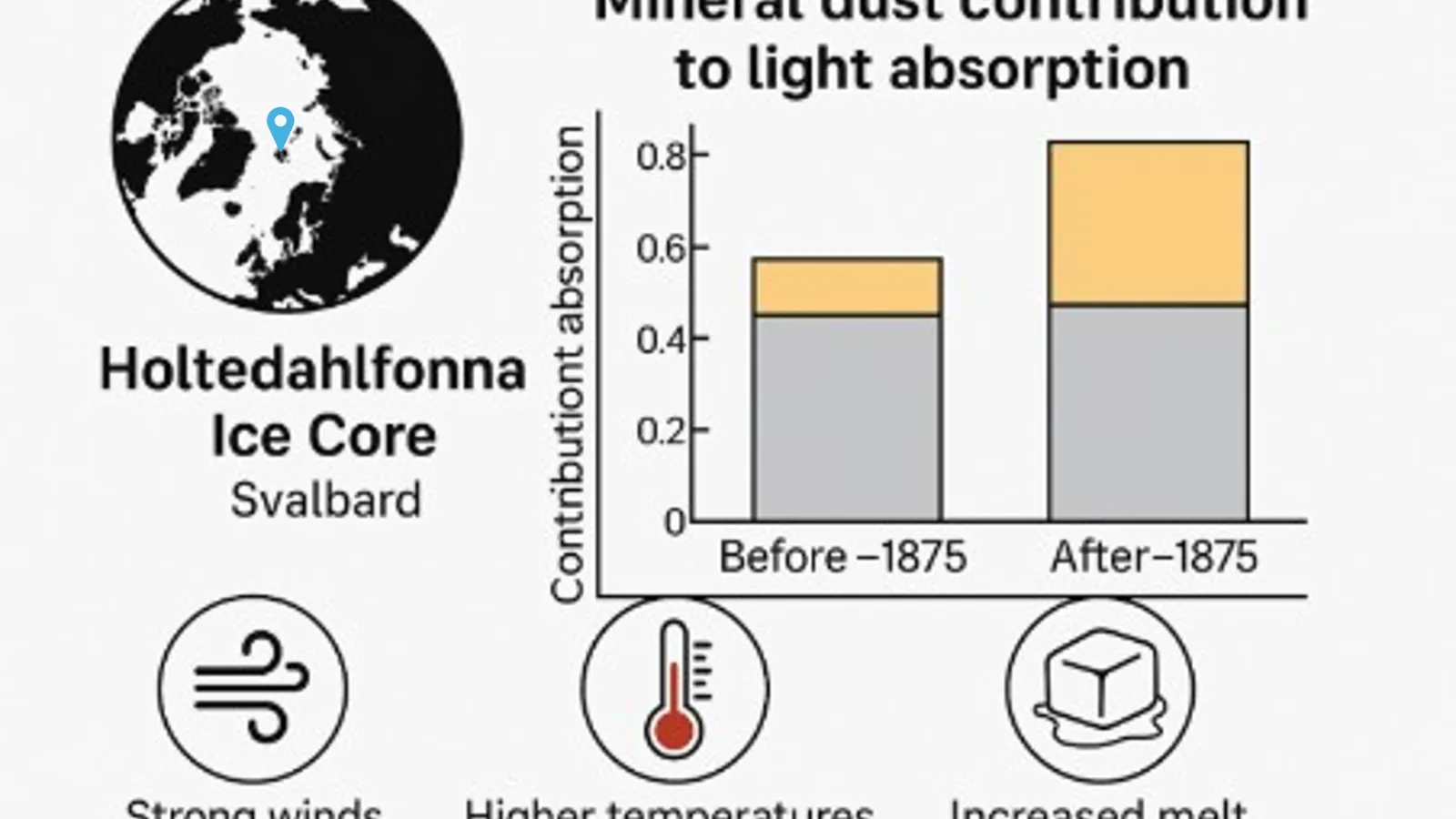
The Ohio State University, School of Earth Sciences (SES), Assistant Professor Emilie Beaudon, co-authored a study proposing a new dust proxy in an Arctic ice core. A principal investigator at the…
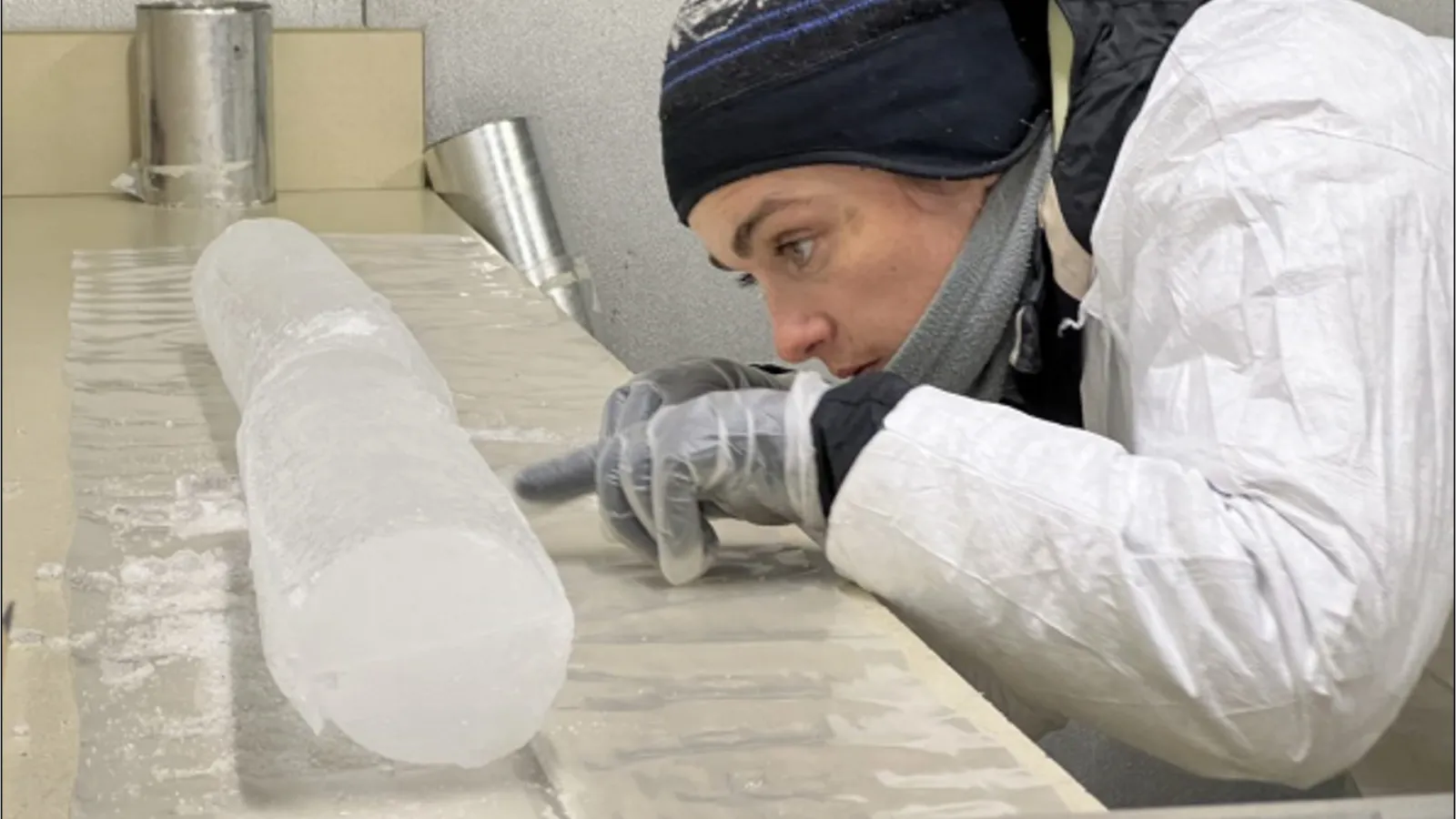
Dr. Emilie Beaudon, Research Scientist at the Byrd Polar and Climate Research Center and Assistant Professor in the School of Earth Sciences, has been awarded an NSF-CAREER grant. Her 5-year…
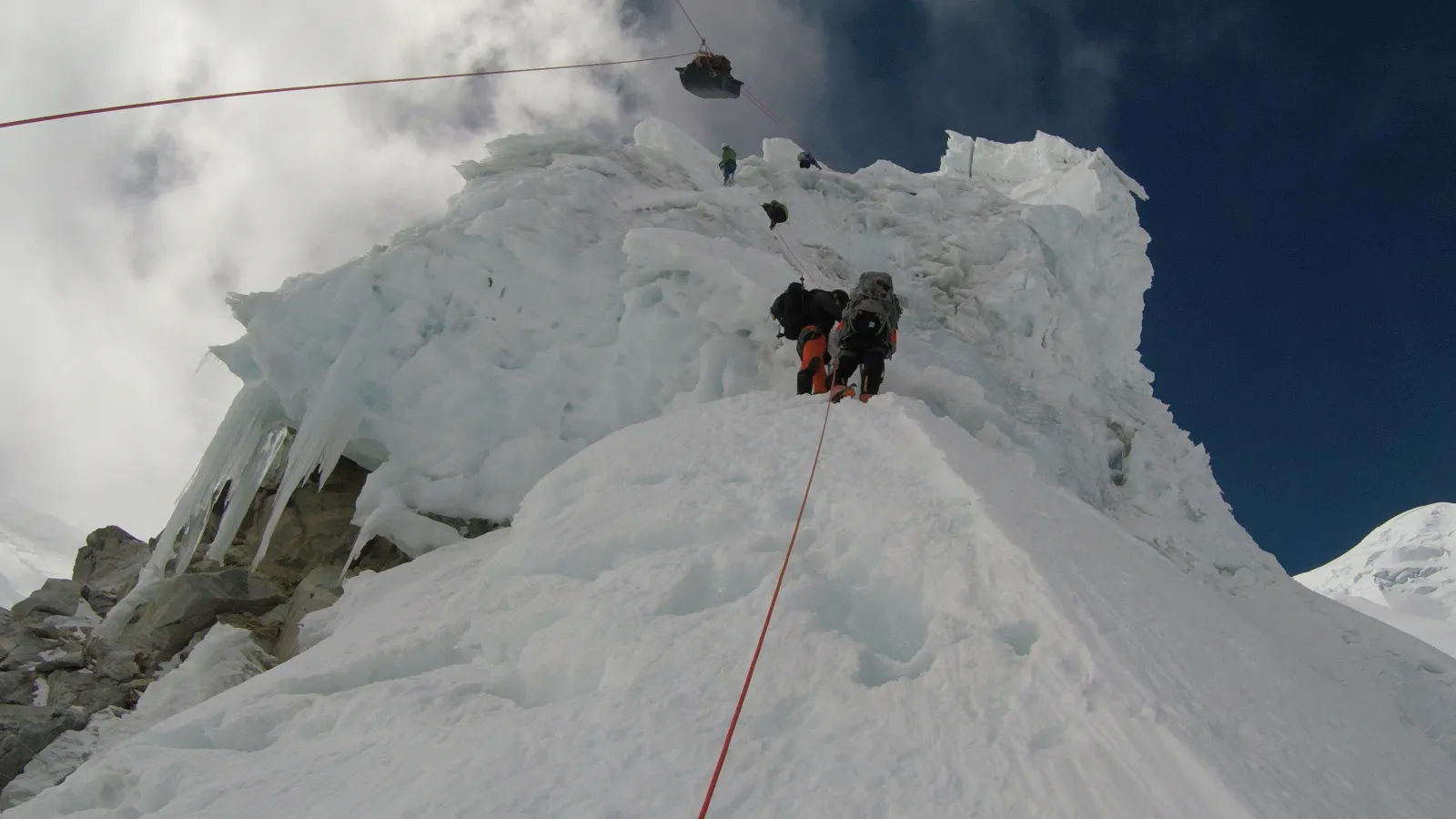
A new study published in Nature's Communications Earth & Environment highlights a discrepancy in Holocene climate models, particularly over tropical mountains.
The research, led by…
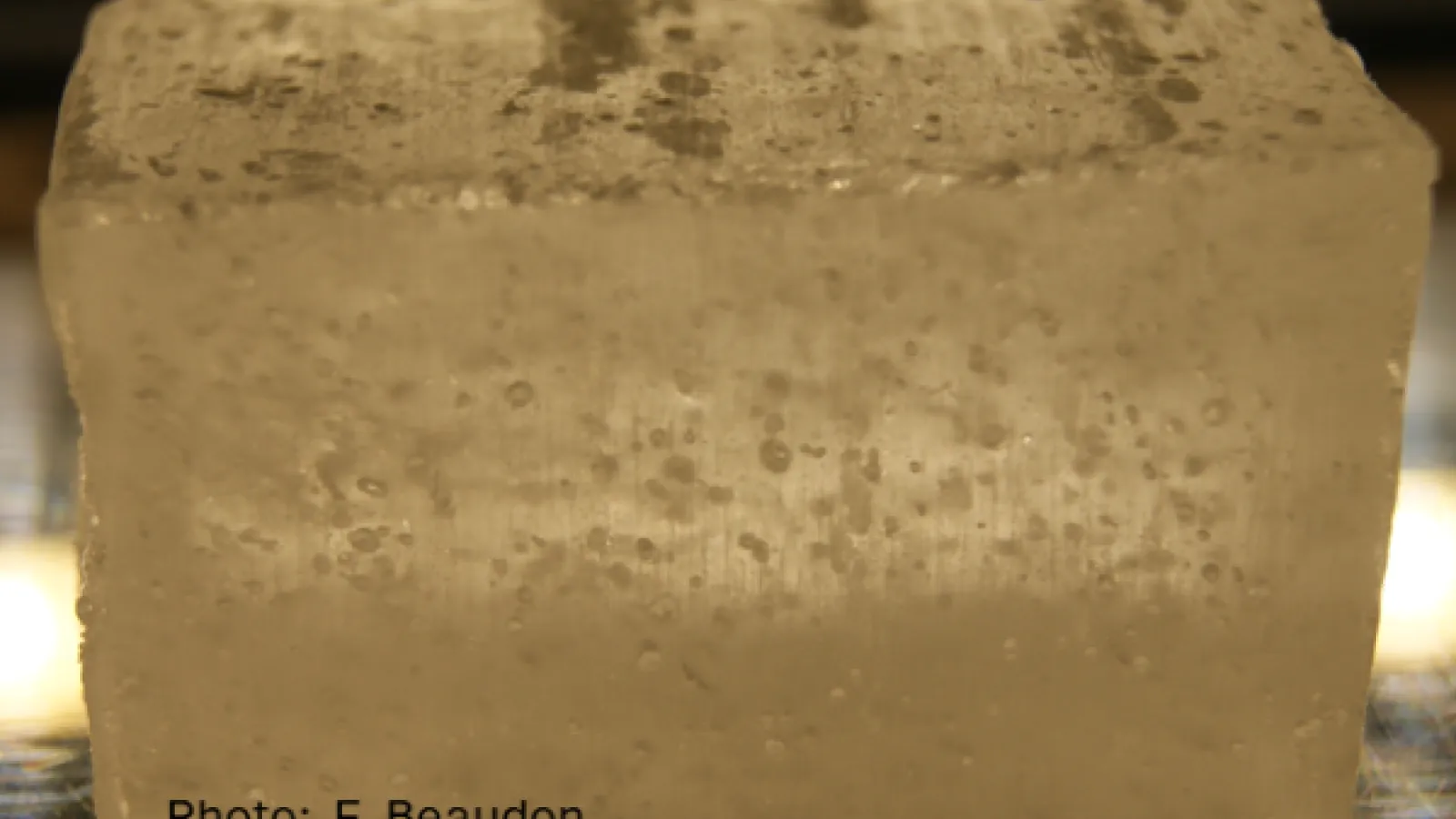
Congratulations to Byrd Center Principal Investigators, Assistant Professors Alex Michaud and Emilie Beaudon (Earth Sciences), on receiving a one-year grant from the College of Arts and Sciences…
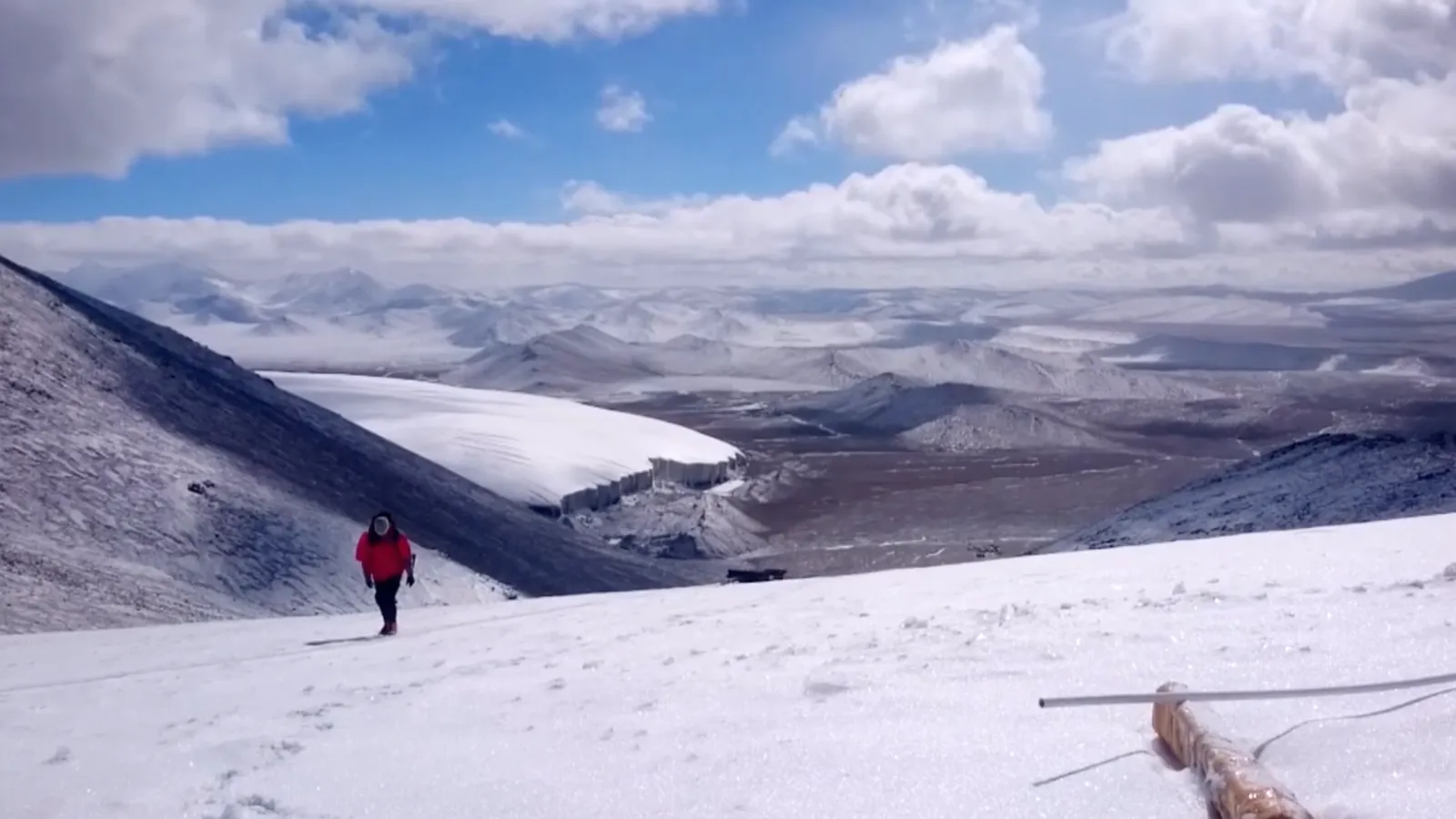
The recent warming trend since the mid-20th century poses a significant threat to the glaciers and ice sheets on the Tibetan Plateau. While glaciers in the Himalayas and the southern part of the…
The Byrd Center is pleased to announce that three new Byrd-affiliated faculty members in the School of Earth Sciences (SES) will start in January 2024! A warm welcome to Emilie Beaudon, Melisa…
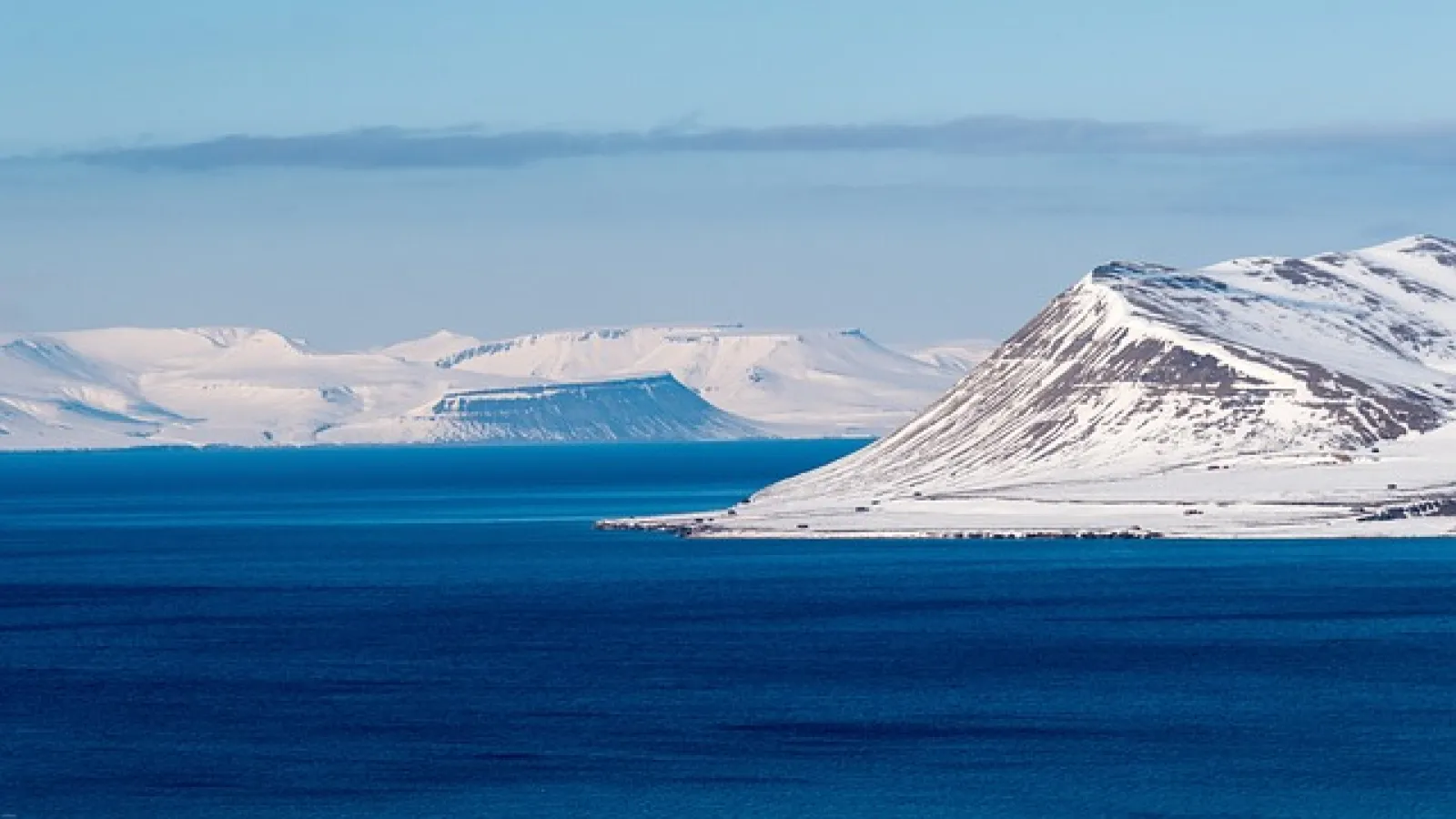
In a comprehensive study spanning 300 years (1700-2005) of an ice core from Svalbard in the European high Arctic, researchers examined the sources and characteristics of black carbon (BC)…
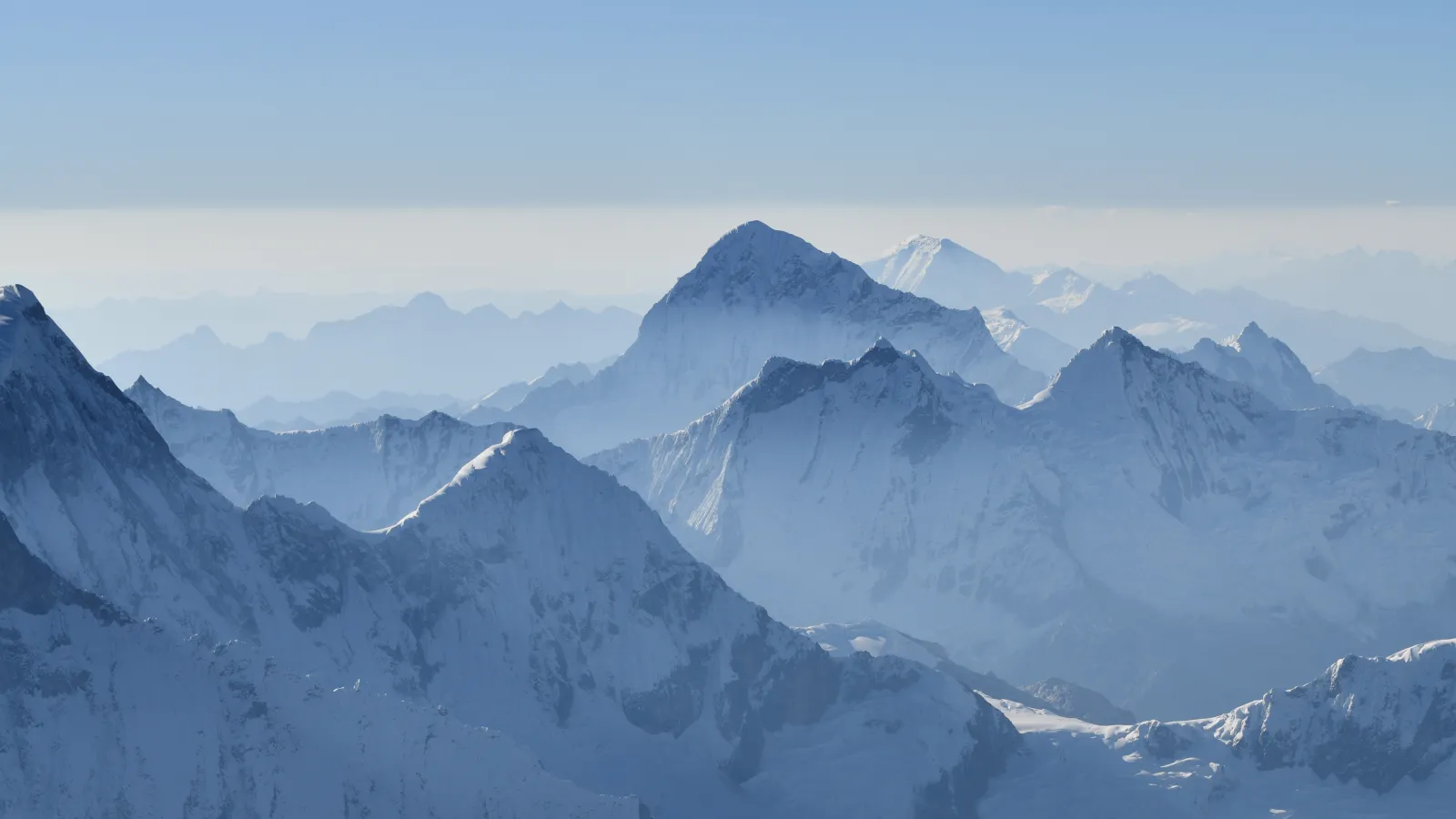
In a recent collaborative study published in Environmental Research Letters from IOP Science, a team of researchers investigated the impact of black carbon (BC) deposition on the melting of Andean…
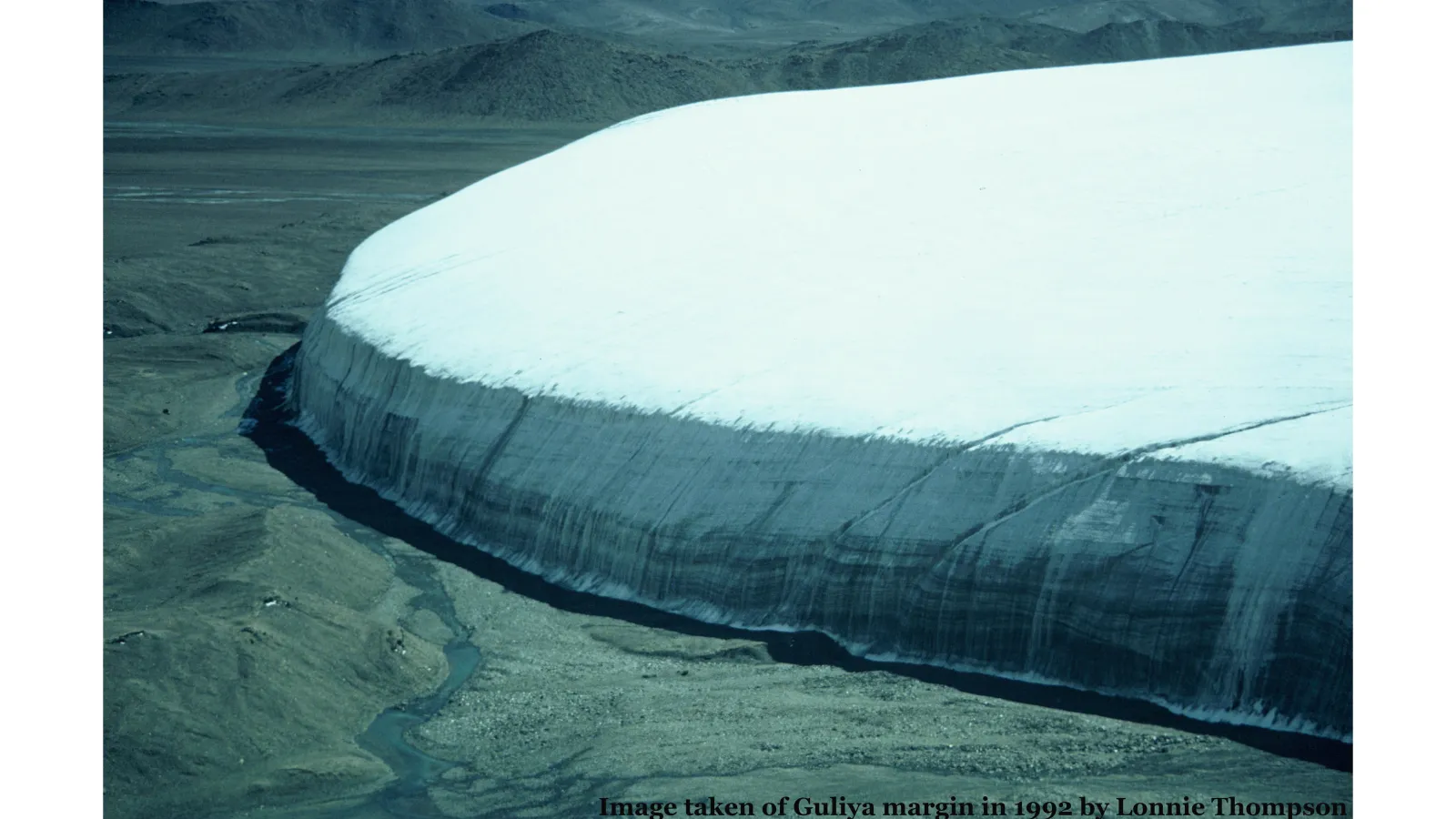
Updated November 15, 2022
Emilie Beaudon, a principal investigator at the Byrd Center, is the first author of a recent study published in the journal Geosciences titled Aeolian…
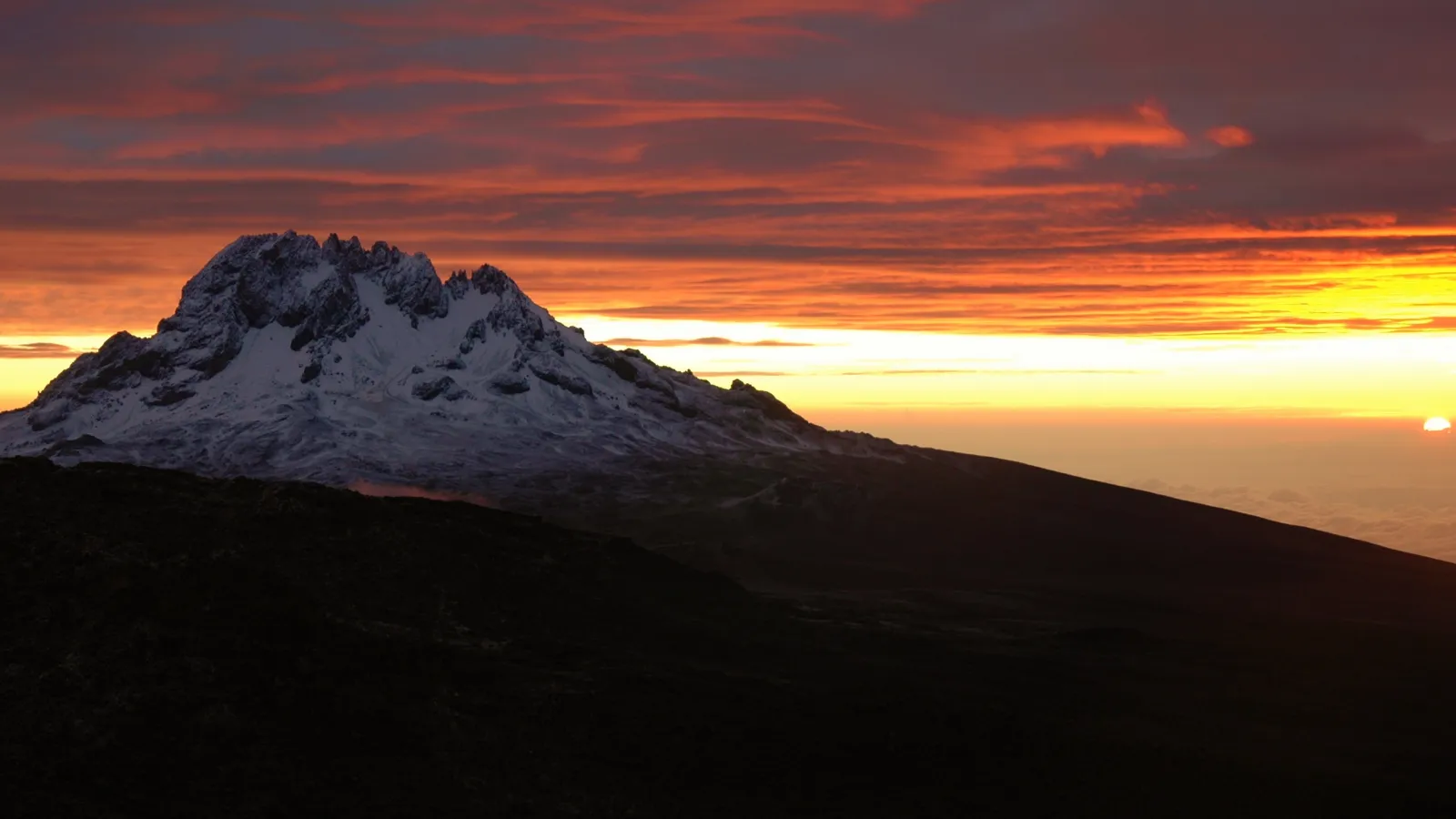
PBS Newshour Story featuring Dr. Lonnie Thompson, Dr. Ellen Mosley-Thompson, Dr. Emilie Beaudon, and the ice core storage facility.
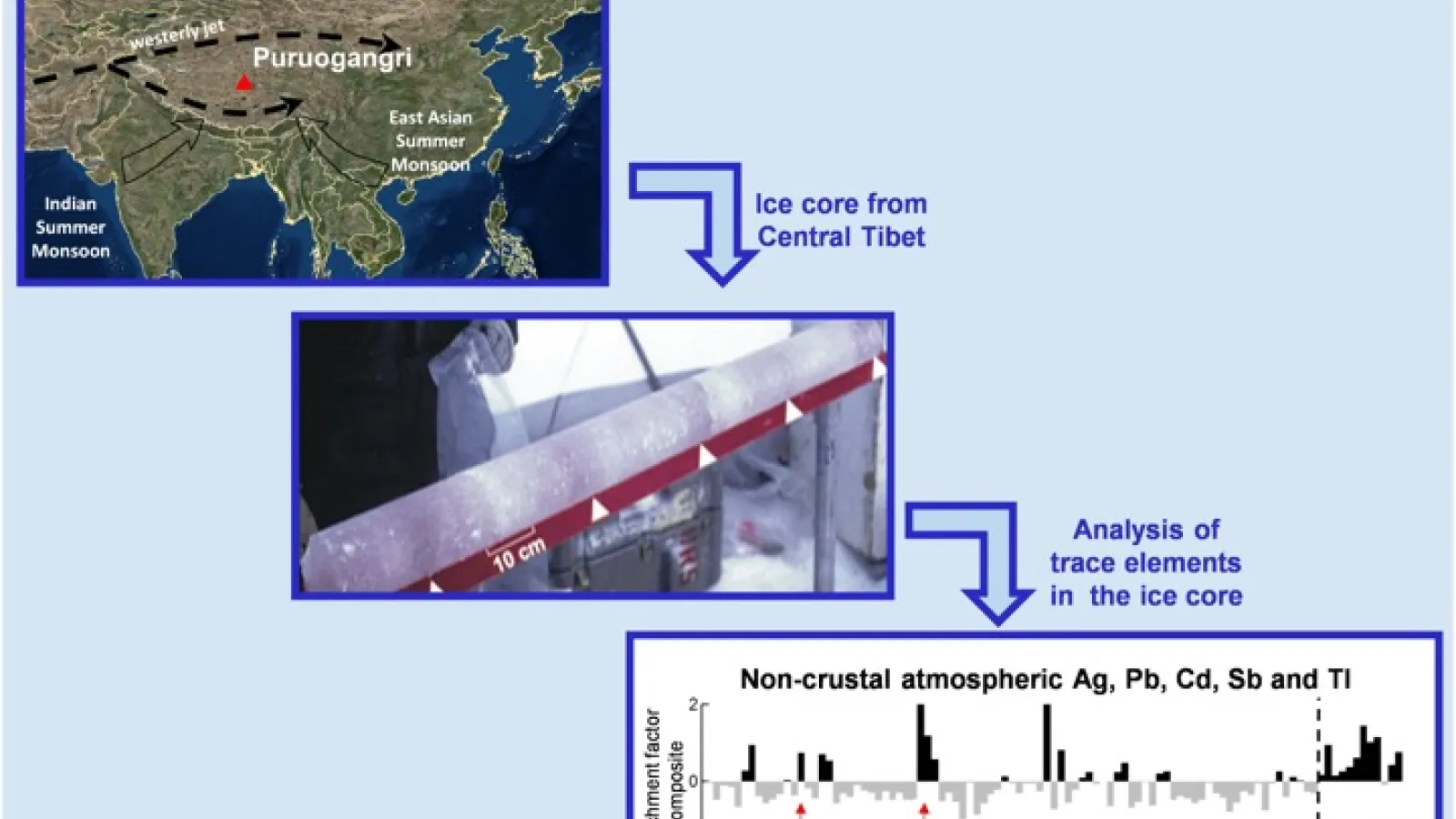
Byrd Center Paleoclimatology Research Group members Emilie Beaudon, Paolo Gabrielli, Roxana Sierra-Hernández, and Lonnie Thompson recently published a record of atmospheric trace metal…
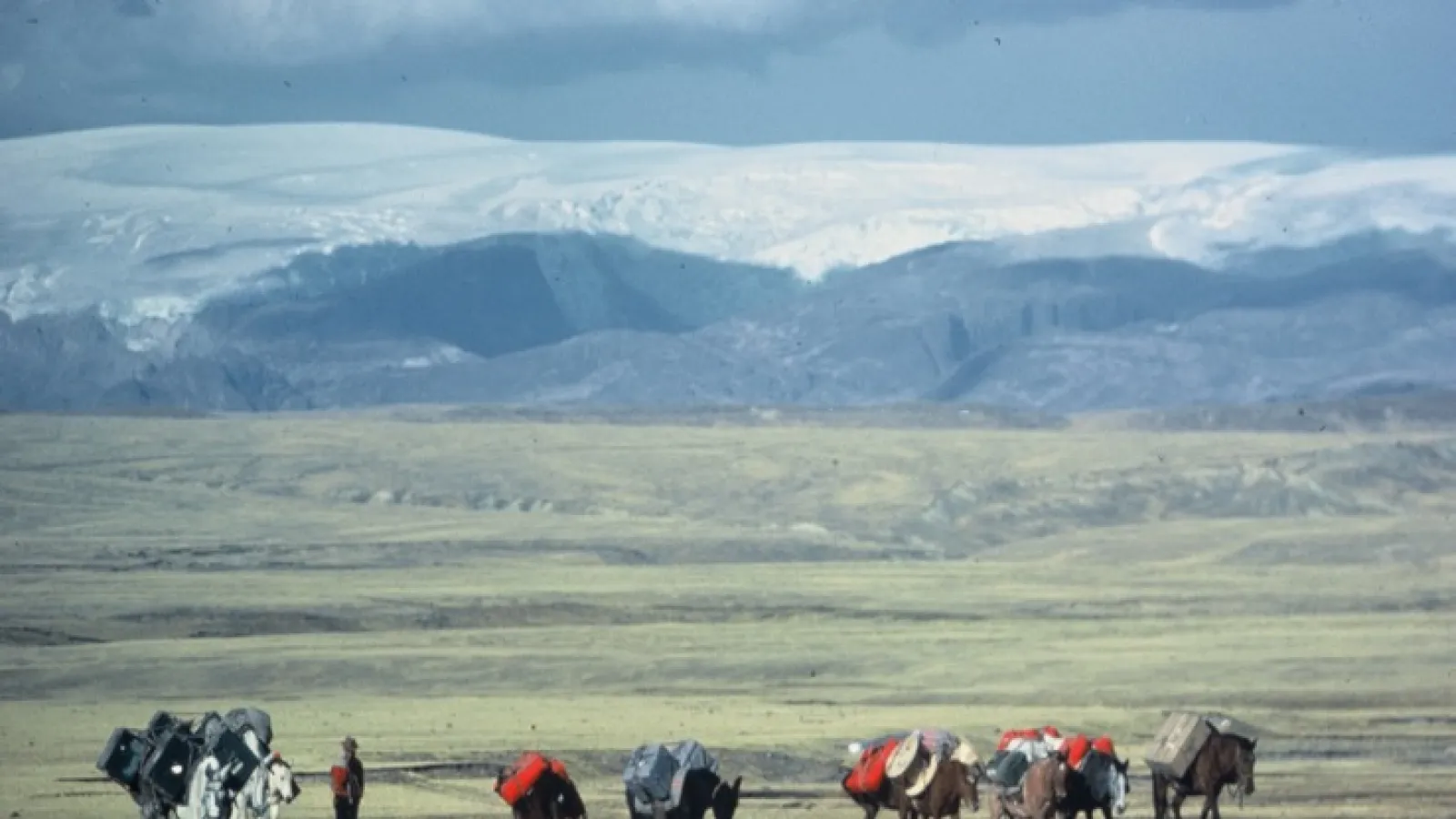
The chemical and physical fingerprints of past El Niño events are preserved in ice cores from Andean glaciers, particularly the Quelccaya ice cap, and offer the potential to quantify past regional…